Dunard Centre

In The Making: Sourcing the timber

How do you build a world-class, 21st-century concert hall from scratch? Join us behind the scenes as we journey to Croatia to source the wood that will line the Dunard Centre auditorium. 

15 July 2026

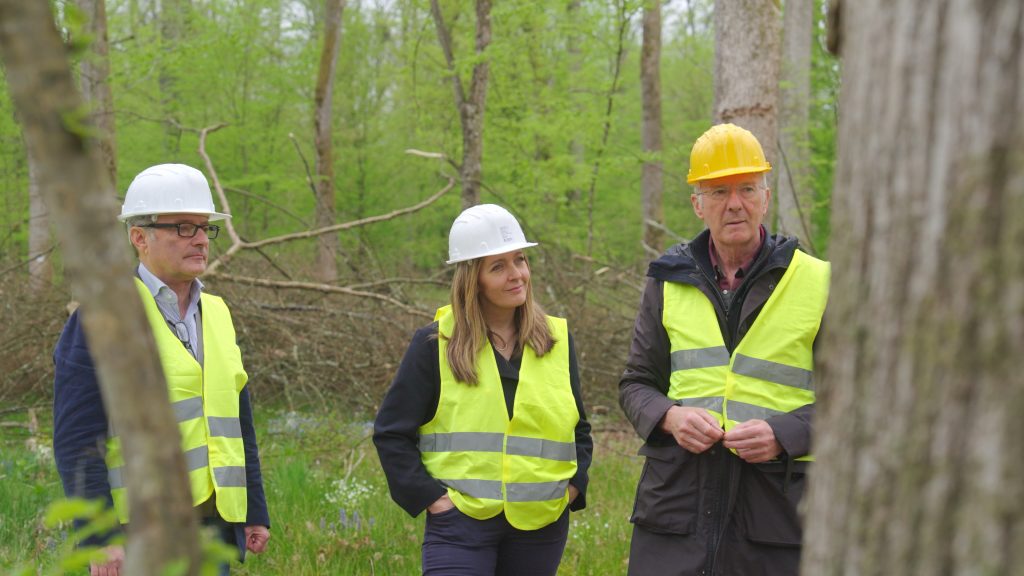
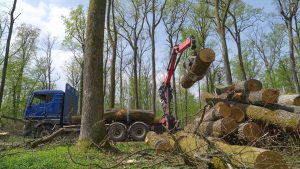
It’s a damp spring morning in a forest 40 miles from Zagreb, Croatia and our Chief Executive Jo Buckley and Chair Ronnie Bowie are closely inspecting a tree. There are two sounds: the faint hush of the rain, and a chorus of birdsong.

We’re a long way from Edinburgh, and a world apart from the industrial throb of diggers, lorries and construction trucks performing their balletic daily ritual on our site at St Andrew Square. But, when construction began on the Dunard Centre, a chain reaction was triggered behind the scenes: across the world, a host of makers and manufacturers and artisans stood to attention, ready to start work on the elements that will transform bricks and mortar into a world-class, 21st-century concert hall.

These are the things that you need to consider if you want someone to step in and think, “wow”. If you want to create a space that makes people feel something — whether it’s the pleasure of admiring beautiful design, the warmth of knowing that you’re truly welcome, or the meditative, brain-off peace that comes from being able to give your full attention to the present moment.

And of course, if you want to do this well, these are the things that require the level of thought and attention to detail that finds you standing on a damp spring morning in a forest 40 miles form Zagreb, Croatia.

Our 1000-seat auditorium will be the beating heart of the venue and, as you’d expect, its design has been meticulously pored over, optimised and refined. The result is an intimate space that will be lined from top to bottom with Prime Grade European Oak panels. This is a bit of a double whammy. Not only will it create a rich, warm, cocooning feeling, all the better for encouraging full immersion — it’s also the perfect choice of material to ensure crystal-clear, acoustic brilliance.

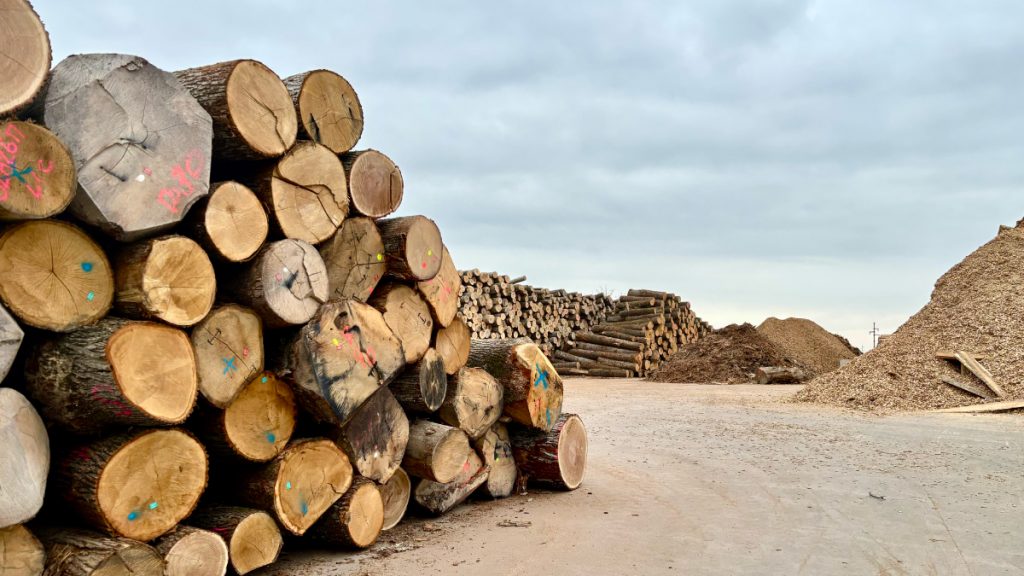
It’s this oak that we’re now standing in front of — oak that is being processed in the nearby More mill, trundled to the Leicestershire countryside to be crafted by our joinery partner Neil Burke Joinery, and finally installed in the venue.

We’re here, thanks to Managing Director Neil Burke, Wayne Johnson from timber management company Quercus Forest Products, and Moreno Stinat from timber suppliers CoTimber, to witness for ourselves the two things which matter the most to us, and which we have a responsibility to get right. Is this the highest possible quality, and is the process sustainable?

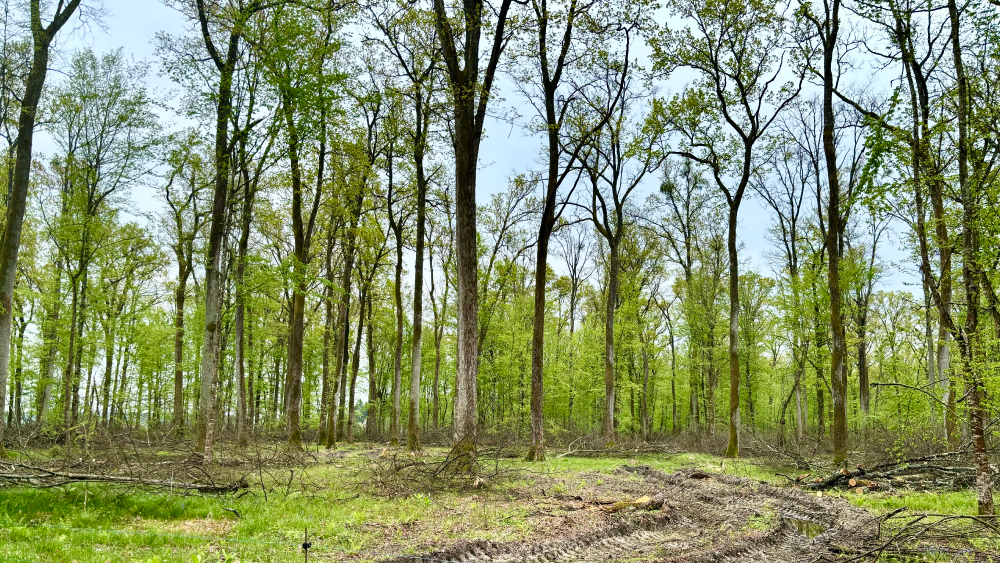
We’re deeper into the forest, now — at a crossroads, with plantations of trees of different ages on all sides — and I’m compelled to ask the obvious question, which is why we’re in Croatia in the first place. In our dear, green homeland, surely there are a few eligible trees we could use?

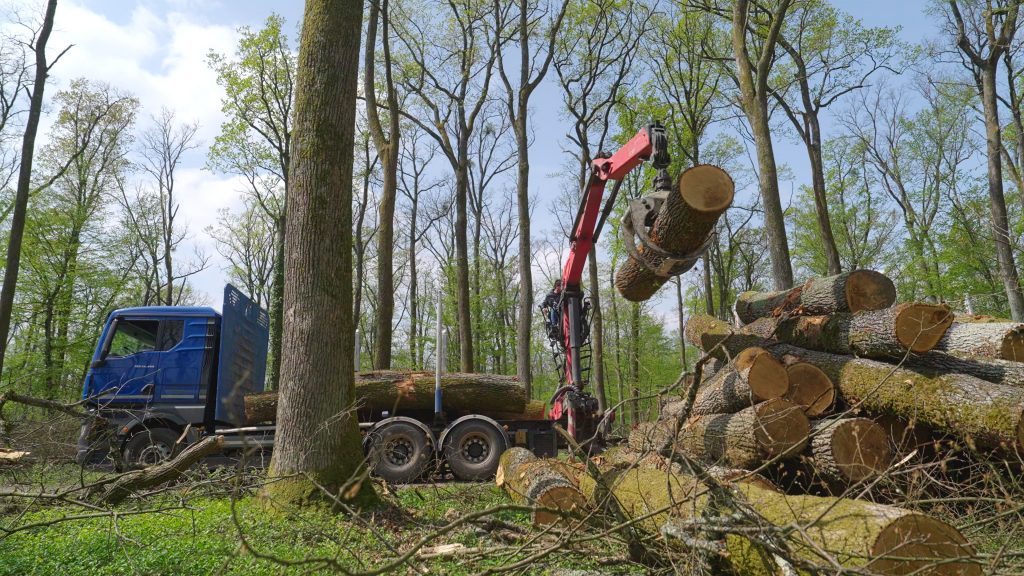
Neil signals the swathes of trees surrounding us, as far as you can see, and highlights one of the many surprising facts we’ll learn across the two days: there simply isn’t enough oak in any one forest in the UK for a job of this size. A recent job for the Crown, which specified that the oak had to come from UK forests, saw him sourcing wood from 26 different forests across the UK. For the Dunard Centre job, where visual consistency is key, this simply wouldn’t have been possible; the approximately 270 trees required to generate 800 cubic metres of timber had to come from the same place.

Croatia, where an astonishing 50% of the land is forest, not only has a thriving and environmentally-sound forestry industry, but is renowned for its exceptional oak trees. It has the perfect conditions: regular flooding leads to steady moisture and mineral-rich soil that allows them to grow tall and straight, and slow, even growth results in that highly-desirable uniform wood grain.

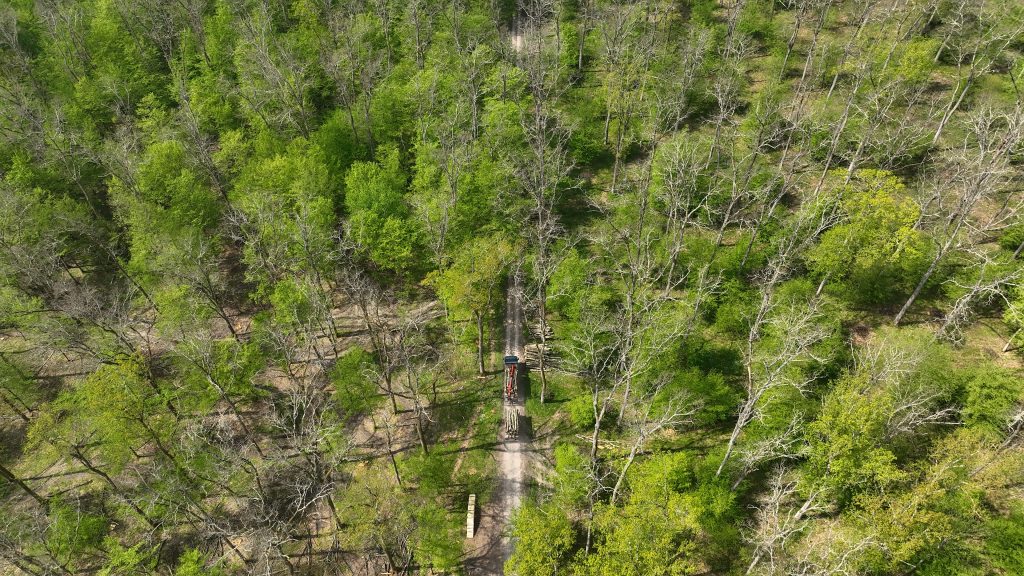
It’s not only Neil’s hearty stamp of approval on the quality, though. Wayne begins to speak passionately about the sustainable approach of the Croatian government, which manages 80% of the forests. For every tree that is felled, at least two more are planted, and the final timber is transported to the UK via train and road hauliers. But, perhaps most interesting, is having our common misconceptions around the process challenged — as a staunch non-expert in the world of forestry management, there’s something about cutting down lovely trees that just doesn’t feel… right?

As Wayne explains, this is actually in step with nature: with the trees naturally starting to decay and fall after a certain time, this human intervention helps the natural stages of the forest lifecycle and cultivates a healthy ecosystem, providing different habitats and prevent it from becoming stagnant.

The Croatian approach supports this further by focusing on natural regeneration, which allows trees to reach optimal maturation ages of 100 to 140+ years. The trees then sequester the carbon they’ve absorbed — and hold on to it for the lifetime of the product that’s made from them. The captured carbon will remain safely stored in the wood that lines our auditorium, for generations to come. 

On top of this, at the More mill, nothing is wasted — and they really mean nothing. Every millimetre of the felled tree is reused within the process, with the wood chippings and even the sawdust being turned into pellets for the biomass boiler which provides heat and hot water for the mill.

The rain has stopped, now. As a pale sun touches the topmost leaves of oak trees for miles around, from the 120-year elders to the 5-year-olds at their ankles, we somewhat reluctantly leave this peaceful space to go and see the mill for ourselves — quickly realising that it’s every bit as captivating as the forest.

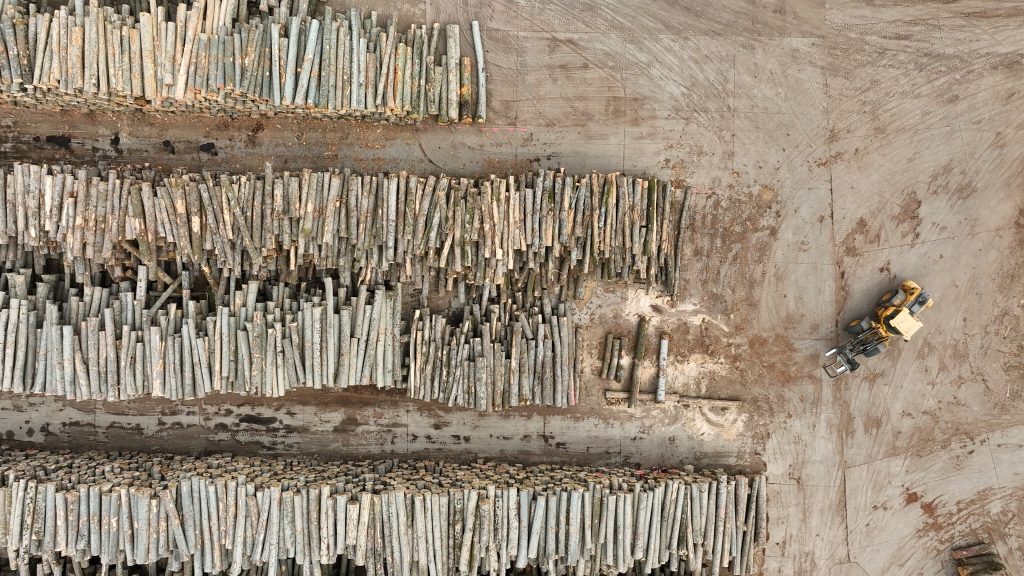
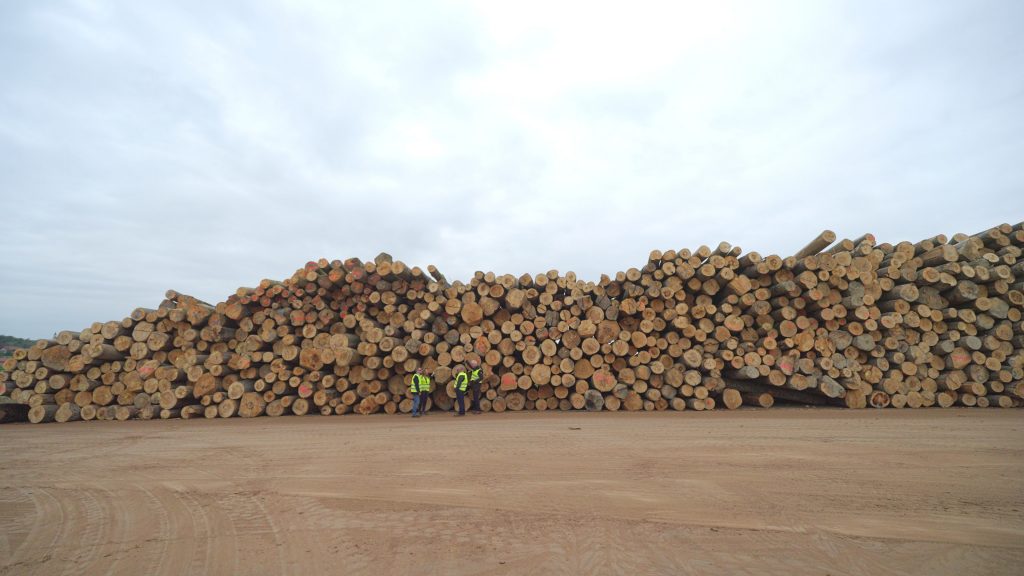
Surrounded by vast piles of logs, billowing clouds of steam from the kilns and the roar of machinery, it’s the (extremely friendly) staff that strike us the most. As with our site in Edinburgh, there’s something deeply satisfying about witnessing a group of skilled human beings work together, in perfect lockstep, to achieve a common goal that, to us, is utterly mysterious.

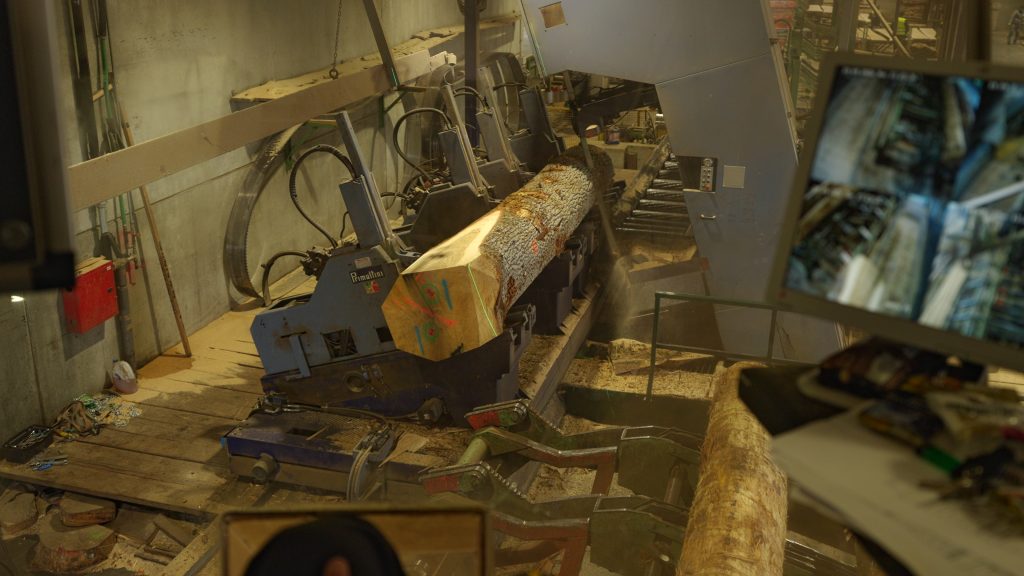
We watch the operators slice bark from the trees to within a 1mm precision. We see impossibly towering stacks of wood being counted in seconds. Our guide calculates the age and type of a nearby log at a glance. We know nothing of these procedures, other than that the end product is the result of care, attention, decades-grown knowledge and skill. We are fully, entirely absorbed.

And this leads us to the most unexpected, and unintended, of reflections from this trip: that attention is a luxury.

As we step back out into the yard after our tour, dazed with learning, our videographer speaks of fond memories of watching Come Outside — hours wiled away, captivated by the richness and detail that underpins everything around us. As adults, we rarely get to experience the pleasure of giving our attention to one thing, and all the benefits that brings. And almost immediately, I think: music. That’s where we get it.

When you find yourself down an internet rabbit hole consuming everything there is to know about your favourite artist. When you discover a whole new genre, and feel an untapped world spreading out in front of you. When you sit and listen to something fully, noticing tiny new details each time. Or when you arrive in space, somewhere separate from work and life and responsibilities, and allow yourself to switch off; to experience nothing but what’s happening in that room, and to think of nothing else. 

Attention is a luxury, but the rewards make it something worth making time for, and music can help us do it. This care, and thought, and obsessive attention to detail that’s being given to making an exceptional space for more people to escape to, switch off and focus in — it’s going to be worth it.

Recent news

Share this page

Dunard Centre